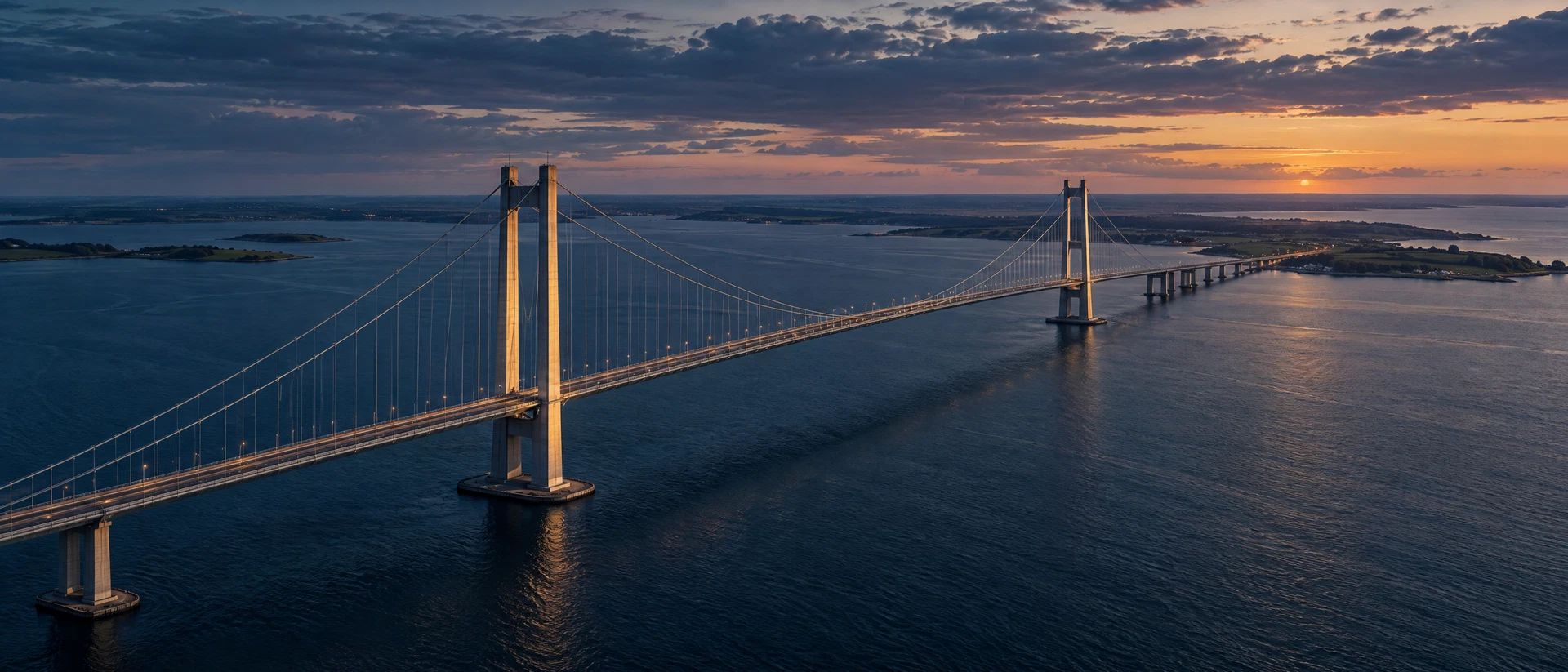
OperationsTraffic management is more than a detour map. It is a choreography of crews, residents, freight routes, weather forecasts and the small decisions that keep a closure from becoming a crisis.
By Lea Møller · 02 November 20268 min read · Illustrative analysis
Open the field note
For a fictional case study near a busy Zealand crossing, the most valuable preparation happened before the first cone was placed: sequencing inspections, agreeing hold points and making the public information plan as precise as the repair method.
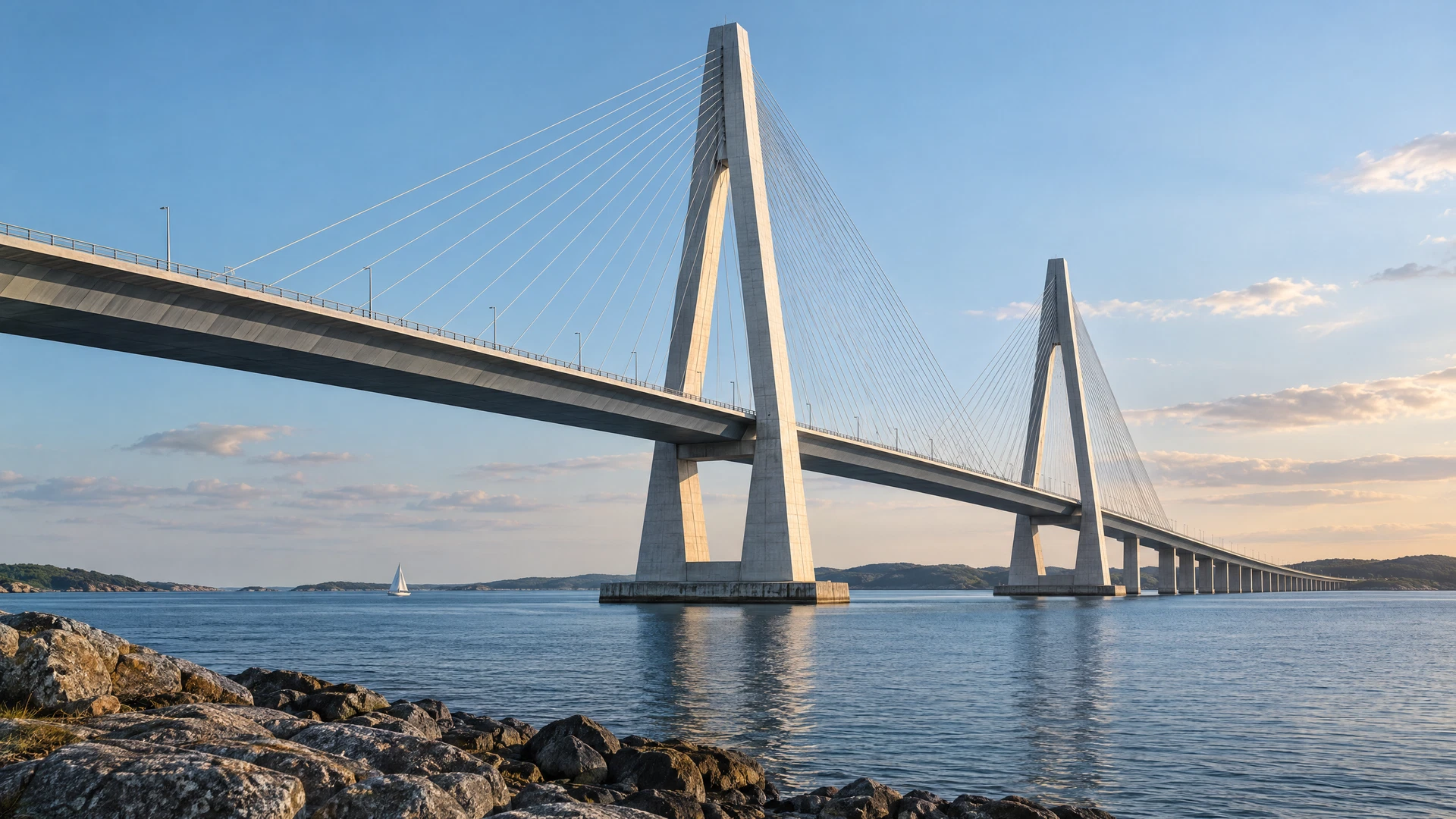
MaterialsPaint systems, drainage details and access planning rarely make the evening news. They do, however, decide how gracefully a bridge meets salt, rain and decades of use.
By Jonas Friis · 29 October 20266 min read · Illustrative analysis
Open the field note
The strongest maintenance strategy is often the least dramatic one: make water leave quickly, make surfaces inspectable and record the reasoning so the next team starts with context rather than guesswork.
Public realmA short cycle crossing can carry as much civic meaning as a major motorway structure. Repair choices shape accessibility, comfort and whether people feel invited to linger.
By Sofie Rahbek · 26 October 20265 min read · Illustrative analysis
Open the field note
Small bridges are where maintenance becomes visible as design. Handrails, lighting, expansion joints and temporary access routes all tell a story about who the crossing is for.
Field sketch
Wind + water
Climate readinessThe climate conversation becomes practical at the joint, bearing and drainage channel. Repair programmes are becoming a place to test what resilience means in detail.
By Mikkel Sørensen · 21 October 20267 min read · Illustrative analysis
Open the field note
Resilience is not a single product or a future scenario. It is a repeated practice of observing, documenting and making small upgrades before a maintenance issue becomes a service interruption.
Working brief
The quiet craft
PeopleThe bridge outlives the shift. Good handovers make a maintenance culture legible, from the marked-up drawing to the sentence that explains what changed and why.
By Emil Vestergaard · 17 October 20264 min read · Illustrative analysis
Open the field note
The most durable asset on a repair project can be institutional memory. A clear record gives the next inspection a starting point and the public a reason to trust the work.